

AI agents are no longer experimental tech projects sitting inside innovation labs. They’re becoming core business infrastructure.
From AI-powered SDRs that qualify leads automatically to internal operations copilots and document-processing bots, companies are building intelligent systems that can think, decide, and take action across tools.
But here’s the problem.
There are dozens of AI agent builders on the market and they’re very different from one another.
Some are workflow-first. Some are AI-first. Some are built for developers. Others are made for business teams.
In this guide, we’ll break down the 7 best AI agent builders, explain the different categories, and help you figure out which one actually fits your business.
What Are AI Agent Builders?
AI agent builders are platforms that help you create autonomous AI systems that can:
-
Understand instructions
-
Make decisions
-
Call APIs and external tools
-
Execute multi-step workflows
-
Learn from context and memory
Unlike basic chatbots that just respond to prompts, AI agents can take action.
They can update your CRM, send emails, process invoices, qualify leads, or trigger backend workflows — all without human intervention.
Think of them as intelligent automation layers powered by large language models (LLMs).
AI Agent Builder Types
Not all AI agent platforms are built the same way. Most fall into one of three categories.
1. Workflow-Based Builders: AI-Native Workflow Builders
These platforms were designed with automation and AI working together from day one.
They typically combine:
-
Visual, node-based workflow builders
-
Native LLM integrations
-
Tool calling
-
Memory handling
-
Event-based triggers
These tools are ideal if you need real-world automation with decision-making logic built in.
Examples:
-
n8n
-
Dify
2. Workflow-Based Builders: Workflow Platforms with AI Added Later
These are traditional workflow or BPM tools that later introduced AI capabilities.
They’re usually strong in:
-
Enterprise process control
-
Governance
-
Compliance
-
Structured modeling
However, AI may feel like an add-on rather than a core feature.
Example:
-
Camunda
3. Non-Workflow-Based AI-Native Builders
These platforms focus heavily on AI reasoning and orchestration rather than visual workflow design.
They are more technical and developer-oriented.
Instead of drag-and-drop logic, they rely more on code, graphs, and structured orchestration.
Examples:
-
LangGraph
-
Autogen
-
Restack
-
Vellum
These tools are powerful but often require stronger technical expertise.
Why Use AI Agent Builders?
Businesses are adopting AI agent builders for a few simple reasons.
1. Reduce Manual Work
AI agents can qualify leads, respond to support tickets, process documents, sync systems, and handle repetitive tasks 24/7.
That means fewer bottlenecks and fewer operational errors.
2. Lower Operating Costs
Instead of hiring multiple team members to handle repetitive workflows, AI agents can manage them continuously at a fraction of the cost.
3. Smarter Decision-Making
AI agents can analyze both structured data (like CRM records) and unstructured data (like emails or PDFs) before taking action.
That makes automation more intelligent not just rule-based.
4. Faster Deployment
Instead of building complex AI infrastructure from scratch, agent builders give you ready frameworks to launch faster.
What Is the Best Tool to Build AI Agents?
There’s no universal “best” tool.
The right platform depends on:
-
Your technical skills
-
Your use case complexity
-
Your integration needs
-
Your long-term scalability goals
Let’s walk through the top 7 options.
1. n8n.
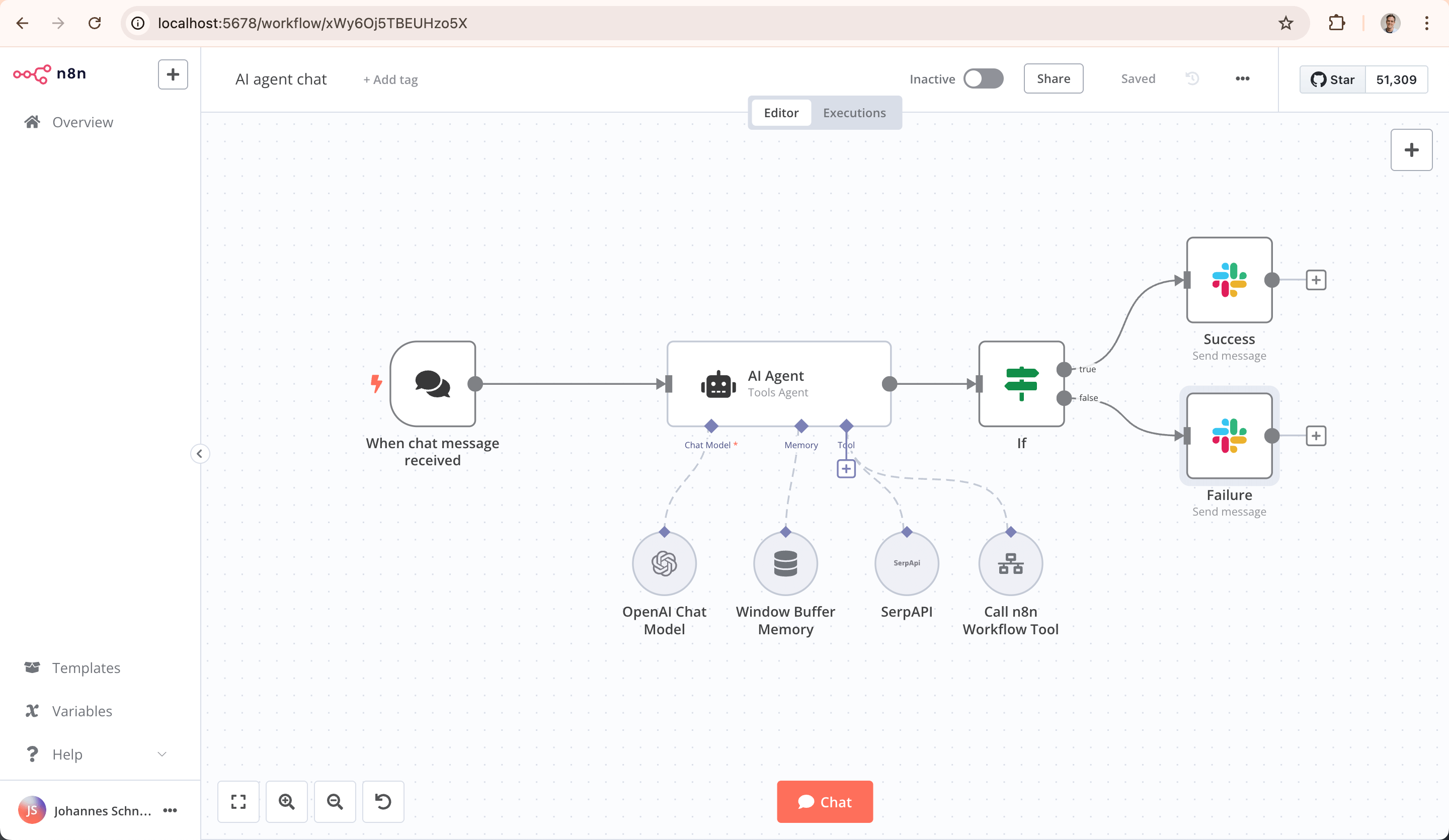
n8n started as an open-source workflow automation tool, but it has evolved into a powerful AI agent builder.
Why it stands out:
-
Self-hosted and cloud options
-
Native AI nodes
-
400+ integrations
-
Full control over workflow logic
-
Cost-efficient scaling
If you want flexibility, deep customization, and data control, n8n is a strong choice.
Best for: Startups, agencies, automation specialists, and growing businesses.
2. Dify
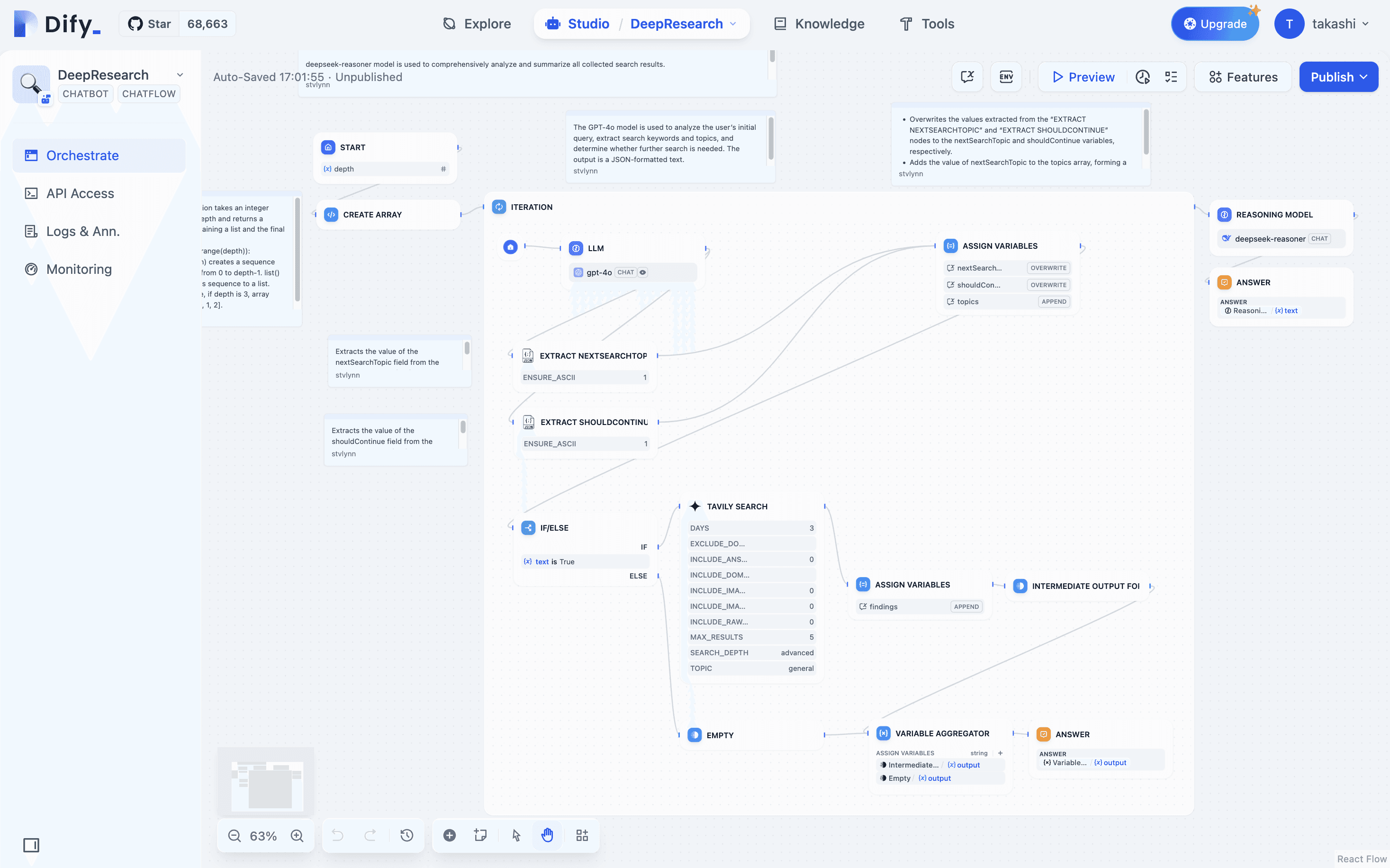
Dify is built for creating AI applications using LLM pipelines and prompt orchestration.
Strengths include:
-
Structured prompt management
-
RAG (Retrieval-Augmented Generation) pipelines
-
Model switching
-
Developer-friendly environment
Best for: Teams building AI SaaS products or internal AI apps.
3. Vellum

Vellum focuses heavily on prompt testing, evaluation, and reliability.
If you care deeply about LLM performance, versioning, and quality assurance, this tool is worth considering.
Best for:
-
Enterprises focused on AI accuracy
-
Teams running large-scale LLM experiments
4. Camunda
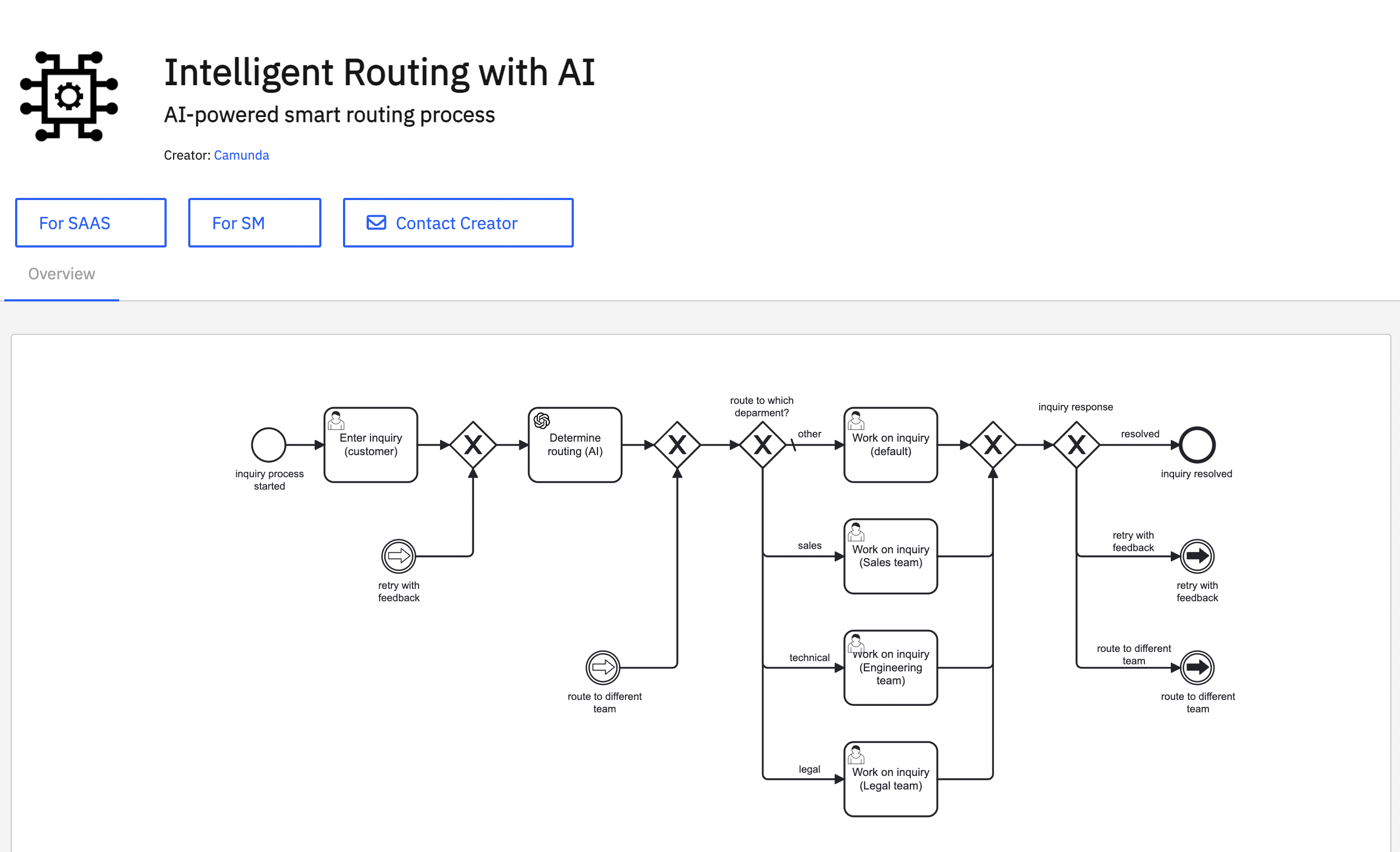
Camunda is an established enterprise BPM platform that has added AI capabilities.
It excels in process modeling, compliance, and structured enterprise workflows.
Best for:
-
Large organizations
-
Regulated industries
-
Compliance-heavy environments
5. LangGraph
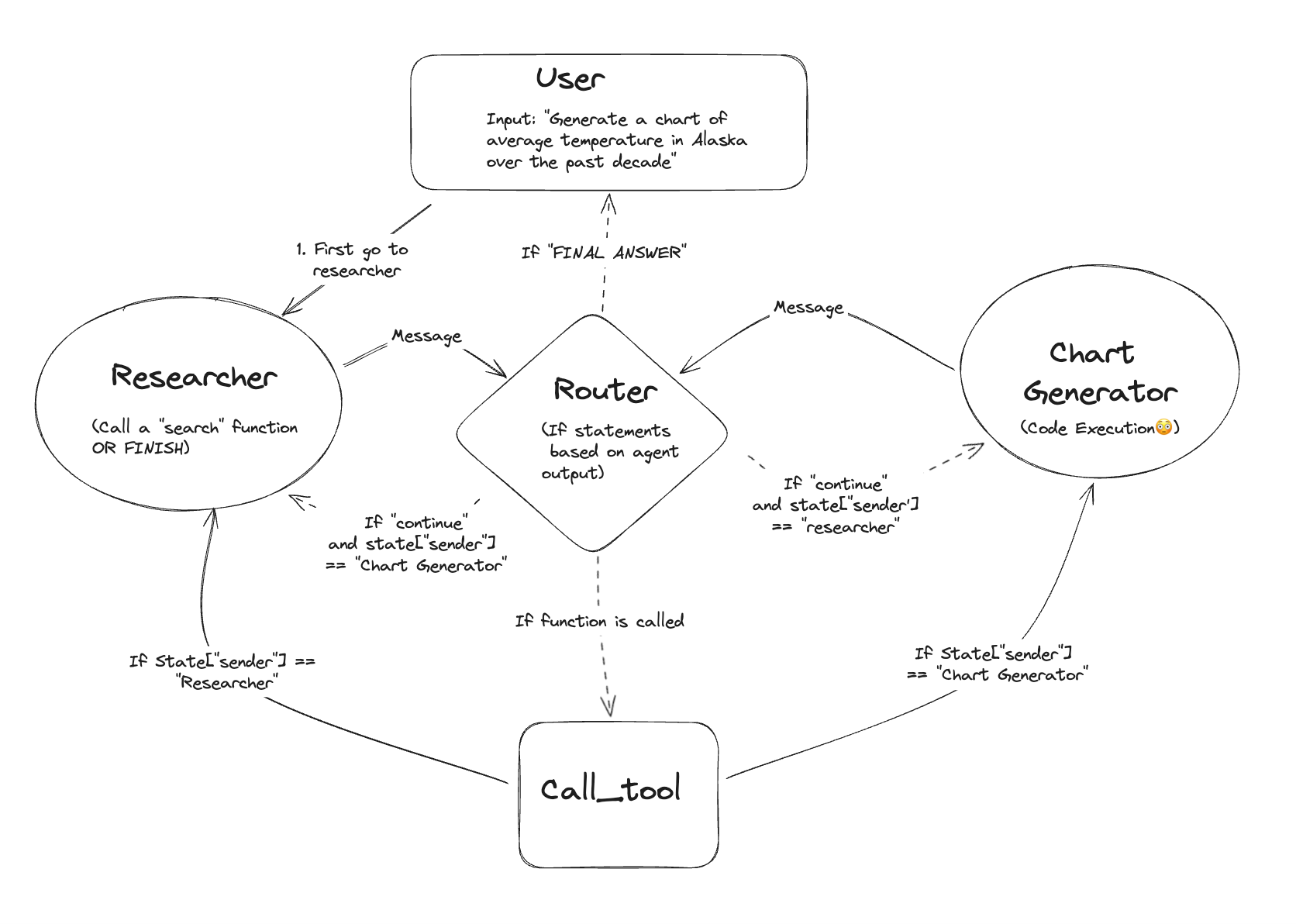
LangGraph is built for graph-based LLM orchestration.
It allows developers to design complex, multi-agent systems with structured logic.
Best for:
-
Advanced developers
-
Multi-agent systems
-
Complex orchestration setups
6. Restack

Restack focuses on durable AI workflows and reliable background execution.
It’s designed for production-grade AI applications where stability matters.
Best for:
-
Engineering teams
-
Scalable AI backend systems
7. Autogen


Autogen is known for enabling collaborative multi-agent systems.
It’s more research-oriented and often used in advanced AI setups.
Best for:
-
Research teams
-
Complex agent collaboration models
-
Deep AI experimentation
How to Choose an AI Agent Builder
Choosing the right platform comes down to five core factors.
1. Ease of Use
If you’re not a developer, visual workflow builders will save time.
If you have a strong engineering team, code-first frameworks may offer more flexibility.
2. AI Capabilities
Look for:
-
Tool calling
-
Memory management
-
RAG support
-
Multi-agent orchestration
-
Model flexibility
Not all platforms support these equally.
3. Integrations
Your AI agent should connect seamlessly with:
-
CRM systems
-
Email platforms
-
Databases
-
Payment systems
-
Internal APIs
Integration depth often determines real-world usability.
4. Future-Proofing
AI is evolving rapidly.
Choose platforms that:
-
Support multiple LLM providers
-
Offer self-hosting
-
Allow extensibility
This protects you from vendor lock-in.
5. Cost & Long-Term Value
Evaluate:
-
Hosting costs
-
API usage fees
-
Licensing structure
-
Scaling limitations
Self-hosted platforms often provide better ROI over time.
Wrap Up
The AI agent builder market is expanding quickly, but there’s no single winner for everyone.
The best tool depends on your business goals, technical capabilities, and automation strategy.
If you want:
-
Full control over workflows
-
Lower long-term operational costs
-
Deep customization
-
Strong integration capabilities
-
AI and automation combined
Then n8n is one of the most practical and scalable options available today.
If you’re ready to implement AI-driven automation the right way, you can hire an n8n expert from Apptag Solution to design and deploy scalable, production-ready AI agents tailored to your business.
The companies that win in the next decade won’t just automate faster.
They’ll automate smarter.